


Nestled in the northern mountains of Vietnam, Sapa has emerged as one of the most captivating destinations for international travelers seeking authenticity, natural beauty, and cultural depth. With its terraced rice fields, ethnic minority communities, and cool mountain climate, Sapa tourism attracts foreign visitors year-round, offering a unique escape from the bustling cities and beach resorts typically associated with Vietnam.
In this article, we explore why Sapa tourism attracts foreign visitors, what makes this highland gem so special, and how travelers can experience the best of Sapa while contributing to sustainable tourism practices.
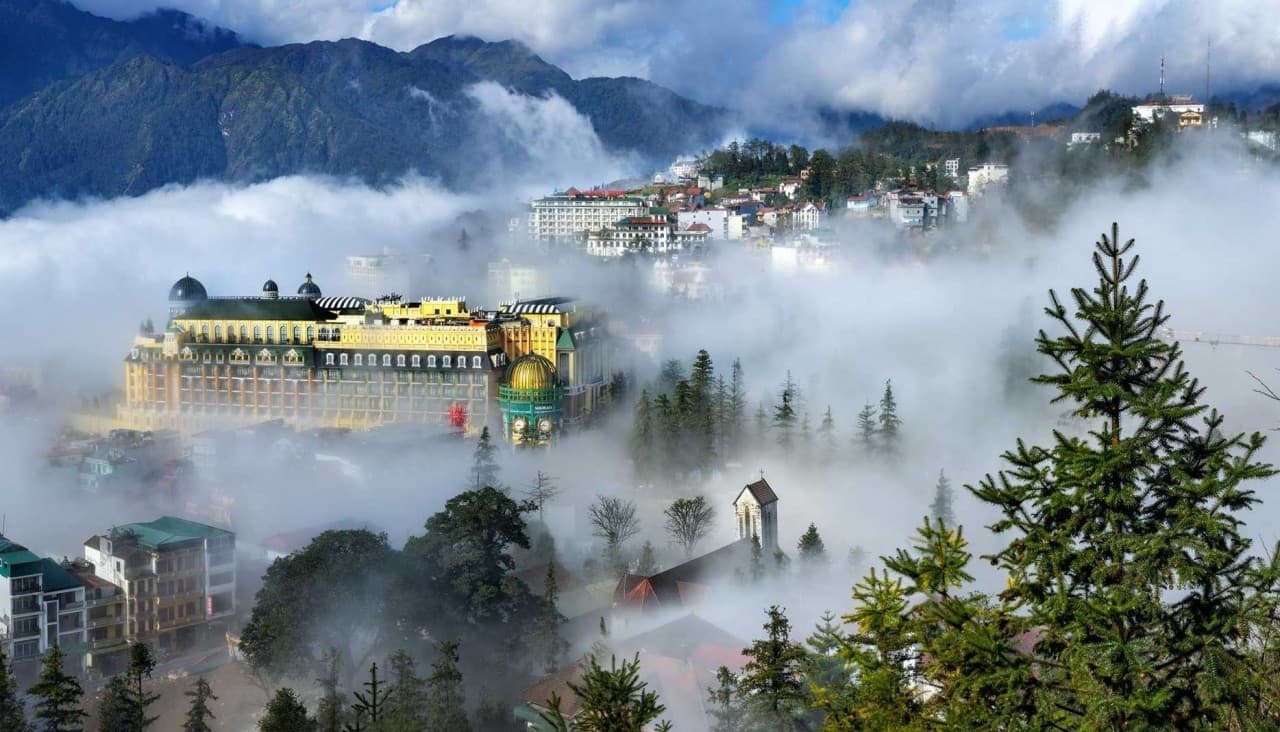
Sapa Tourism Attracts Foreign Visitors – The Allure of Vietnam’s Northern Highlands
Sapa’s Irresistible Natural Beauty
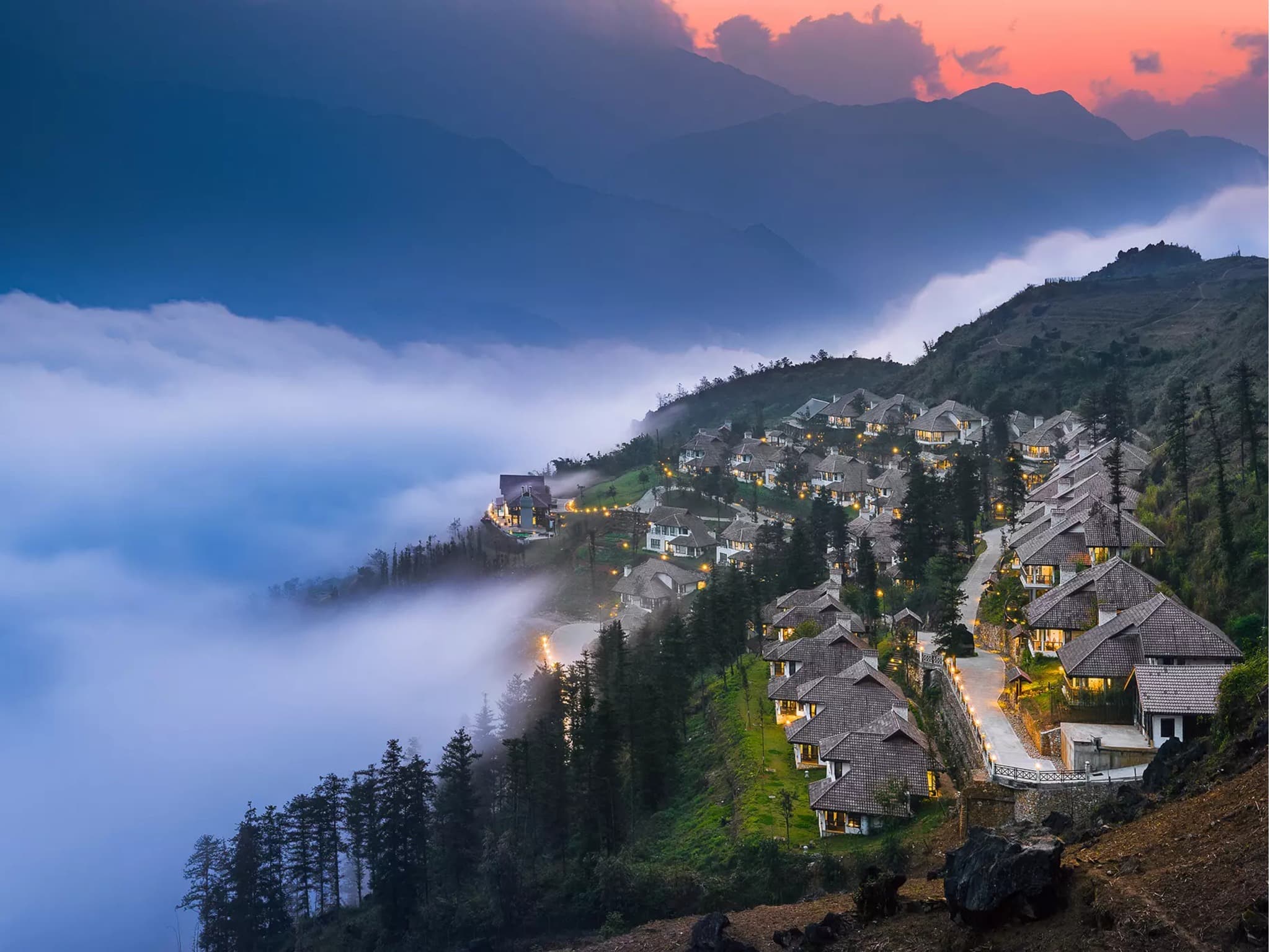
The first thing that draws tourists to Sapa is its breathtaking natural landscape. Located at an altitude of over 1,500 meters above sea level, Sapa enjoys a cool, temperate climate throughout the year, a rare feature in tropical Southeast Asia.
The most iconic visual representation of Sapa is undoubtedly its steep terraced rice fields carved into the mountain slopes by generations of local farmers. These terraces change colors with the seasons, creating a kaleidoscope of green, gold, and brown across the valley floors. During the planting season (May to June), the fields shimmer with water like mirrors, while harvest season (September to October) transforms them into golden carpets.
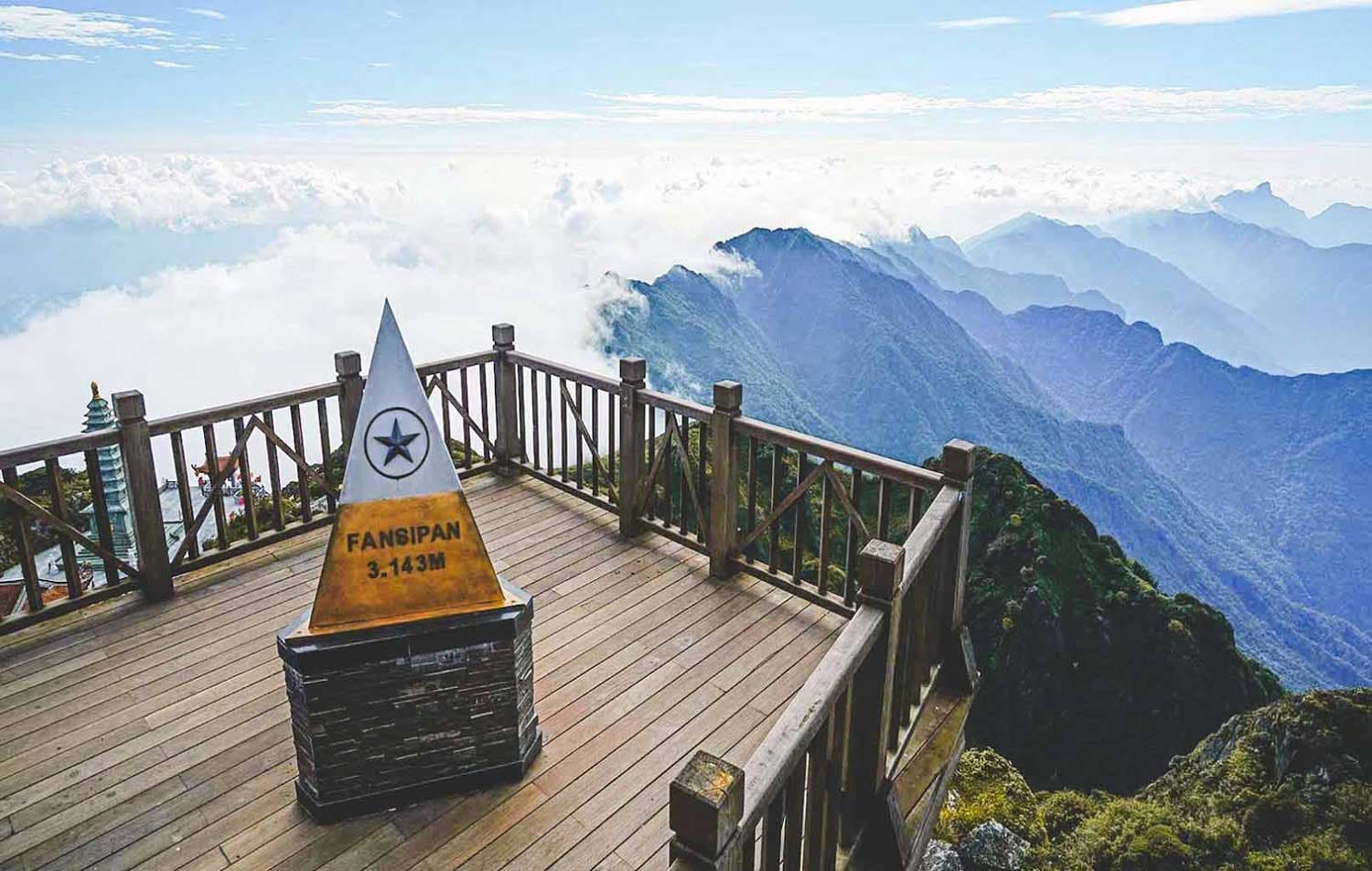
Foreign travelers are especially drawn to places like Muong Hoa Valley, Cat Cat Village, and Lao Chai-Ta Van for trekking, photography, and cultural immersion. Whether hiking through remote villages or watching the sunrise over Mount Fansipan, the highest peak in Indochina, Sapa offers an unforgettable visual experience.
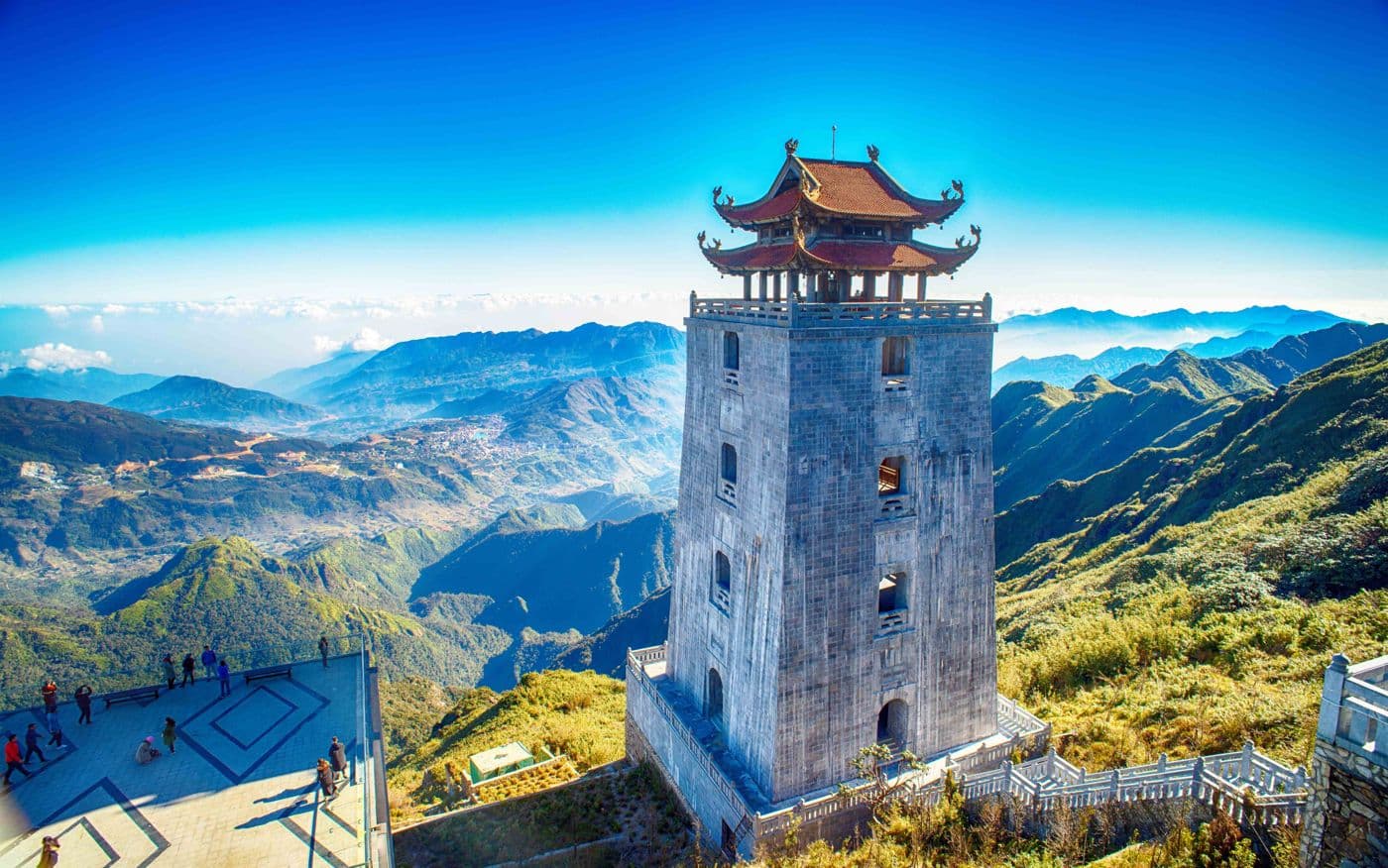
Sapa’s Irresistible Natural Beauty
Rich Cultural Diversity: Home to Ethnic Minorities
Another major reason why Sapa tourism attracts foreign visitors is its cultural richness. Sapa is home to several ethnic minority groups, including the Hmong, Dao (Yao), Tay, Giay, and Xa Pho peoples. These communities have preserved their traditional way of life, language, and handicrafts for centuries.
Visitors are often fascinated by:
-
Colorful traditional clothing worn by local women, especially during markets or festivals.
-
Handmade textiles and crafts, using natural dyes and ancient techniques.
-
Local homestays, which allow tourists to live with a host family and participate in daily activities like cooking, farming, or weaving.
-
Weekly markets, such as the Bac Ha Sunday Market, where locals gather to trade goods, livestock, and stories.
Interacting with these communities provides tourists with a deeper understanding of Vietnam’s cultural mosaic and enriches the travel experience far beyond conventional sightseeing.
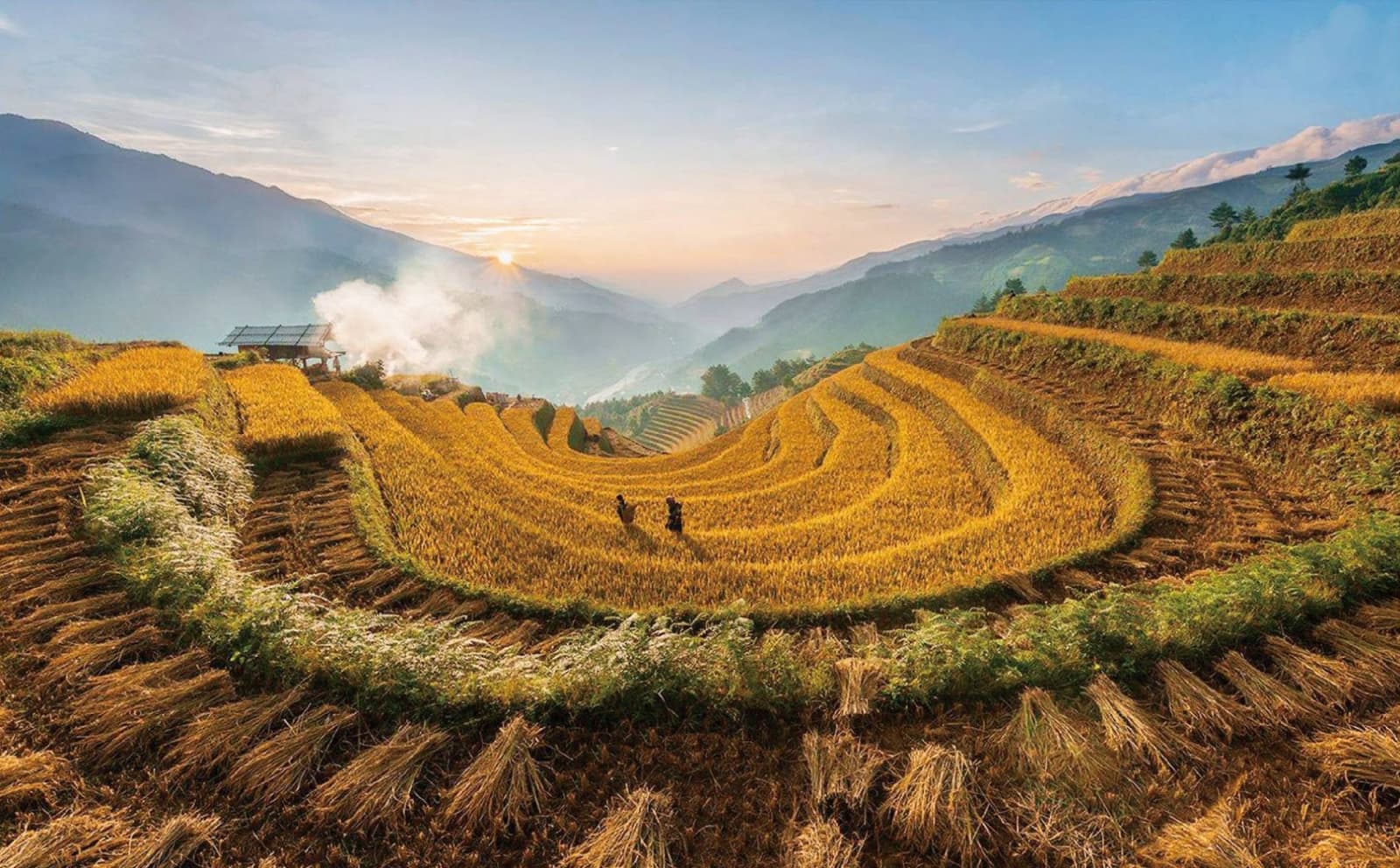
Rich Cultural Diversity: Home to Ethnic Minorities
Outdoor Adventure and Trekking Experiences
For adventure seekers, Sapa is a paradise of outdoor activities. The region’s rugged terrain and extensive trail network make it a top destination in Southeast Asia for trekking and hiking.
Popular trekking routes include:
-
Sapa to Cat Cat and Y Linh Ho villages – an easy half-day trek ideal for first-timers.
-
Lao Chai to Ta Van Village – perfect for experiencing minority village life.
-
Mount Fansipan trek – a challenging 2 to 3-day expedition for experienced hikers.
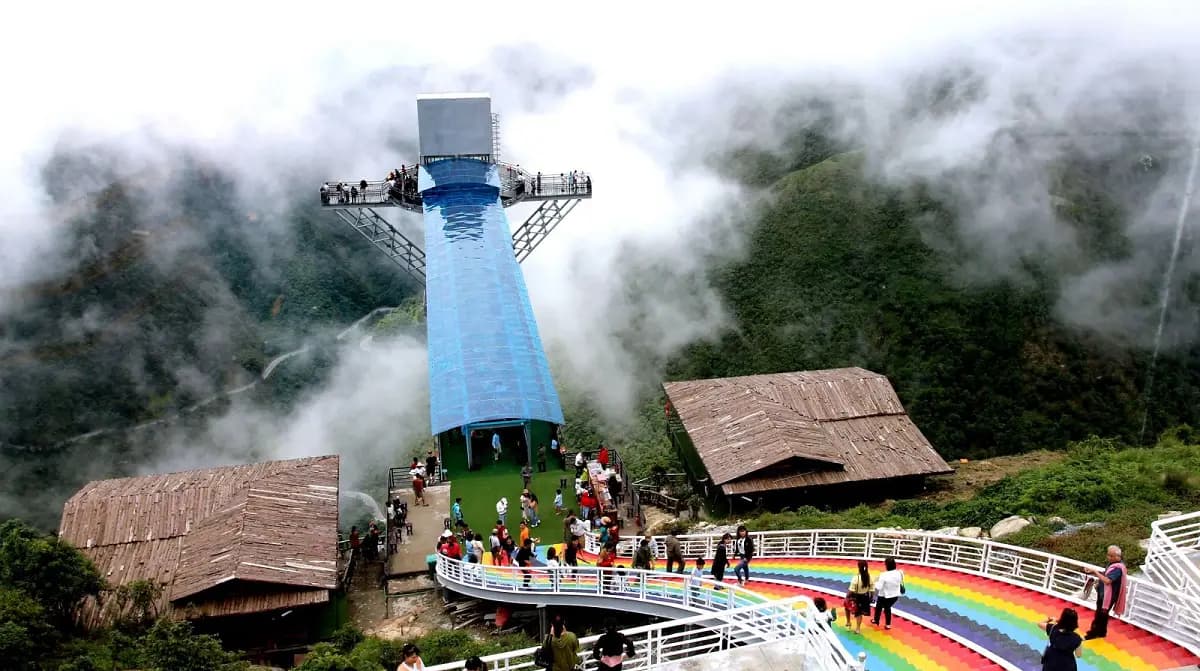
For those not into strenuous hiking, there’s the Fansipan cable car, one of the highest and longest in the world, offering a scenic ride to the summit at 3,143 meters. The view from the top is nothing short of majestic.
Cycling, motorbike tours, and waterfall exploration (like Silver Waterfall or Love Waterfall) are also popular activities among foreign travelers.
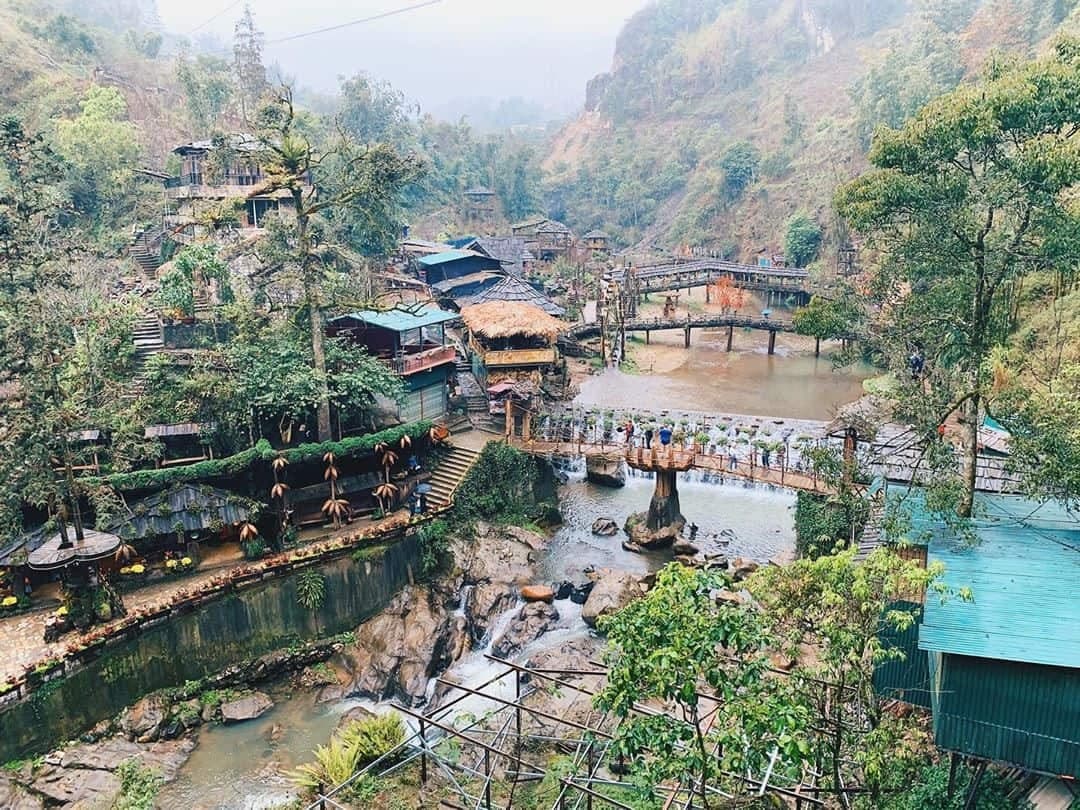
Outdoor Adventure and Trekking Experiences
Unique Climate and Seasonal Attractions
Unlike many tropical regions of Vietnam, Sapa experiences four distinct seasons, which appeals to foreign tourists from temperate countries looking for climate variety.
-
Spring (March-May): Blooming peach blossoms and plum trees paint the hills with pink and white hues.
-
Summer (June-August): Cool escapes from lowland heat, perfect for trekking and exploration.
-
Autumn (September-November): The most popular time due to golden rice terraces.
-
Winter (December-February): Sapa is one of the few places in Vietnam where it can snow, an exotic sight in Southeast Asia that draws tourists eager to witness a Vietnamese winter.
The changing seasons provide opportunities for diverse tourism products and repeat visits, especially for international tourists fascinated by nature and photography.
Unique Climate and Seasonal Attractions
Sustainable Tourism and Community Involvement
Modern travelers, especially from Europe, North America, and Australia, increasingly value sustainability and responsible travel. Sapa has embraced this trend by promoting community-based tourism, which allows ethnic minorities to benefit directly from tourism income.
Homestays and local tour operators often work with communities to ensure that tourism does not harm traditional lifestyles or the environment. This approach has helped make Sapa a model of ethical tourism in Vietnam.
Foreign visitors are often moved by the opportunity to give back—through supporting local businesses, joining eco-projects, or simply by engaging respectfully with hosts.
Culinary Experiences in the Highlands
No trip to Sapa is complete without indulging in its unique highland cuisine, which offers a rich blend of ethnic flavors, seasonal ingredients, and mountain herbs.
Some must-try dishes include:
-
Thang Co – a traditional Hmong stew made from horse meat and organs, flavored with over 20 spices.
-
Grilled stream fish – caught fresh from mountain rivers and served with wild pepper leaves.
-
Black chicken hotpot (ga den) – a medicinal dish valued for its energy-boosting properties.
-
Sticky rice in bamboo (com lam) – simple, delicious, and portable for trekkers.
Sapa’s food culture is a delight for culinary tourists seeking flavors far removed from the typical Vietnamese pho or banh mi.
Sustainable Tourism and Community Involvement
Local Hospitality and Language Connection
Despite being remote, Sapa has built a reputation for warm hospitality. Many local guides, especially young people from minority groups, speak impressive English. This makes it easier for foreign travelers to connect and communicate, creating meaningful cross-cultural exchanges.
Travelers frequently praise their guides for being knowledgeable, passionate, and eager to share personal stories. This human connection is a key reason why Sapa tourism attracts foreign visitors who crave more than just sightseeing.
Photography and Social Media Appeal
Sapa’s dramatic landscapes, colorful villages, and mist-covered mountains provide endless photo opportunities, making it a favorite among photographers, travel influencers, and content creators.
A single sunrise shot over the Fansipan range or a drone view of rice terraces can generate thousands of likes on Instagram or travel blogs. This kind of organic marketing has played a major role in elevating Sapa’s international profile.
Accessibility and Infrastructure Improvements
While Sapa was once a hidden gem, recent investments in infrastructure and transportation have made it much easier to reach.
-
Highway from Hanoi to Lao Cai has reduced travel time to under 5 hours by car or bus.
-
Luxury overnight trains from Hanoi provide an exotic and comfortable journey.
-
More accommodation options now range from 5-star resorts to budget hostels and eco-lodges.
These improvements help ensure that Sapa can welcome more international travelers without compromising its natural or cultural assets.
Accessibility and Infrastructure Improvements
Challenges and the Future of Sapa Tourism
Despite its popularity, Sapa faces challenges such as overdevelopment, plastic waste, and cultural commodification. Responsible planning, better waste management, and community-led tourism initiatives are essential to protect what makes Sapa unique.
The future of Sapa tourism depends on striking a balance between growth and sustainability—something that many foreign travelers support and seek when choosing where to visit.
Sapa tourism attracts foreign visitors for a multitude of reasons: its stunning natural beauty, cultural diversity, adventure opportunities, and the warmth of its people. In an age where tourists increasingly seek authentic, sustainable, and enriching experiences, Sapa delivers on all fronts.
Whether you’re a solo traveler trekking through foggy valleys, a photographer chasing golden hour, or a couple looking for cultural immersion, Sapa welcomes you with open arms and endless wonder.
So, if you’re planning your next journey to Vietnam, let Sapa be your northern star—a place where nature, culture, and community come together in perfect harmony.
